
Level 7 Diploma in Trauma-informed Advanced Therapeutic Practice
A CPCAB-accredited postgraduate diploma for accredited counsellors and psychotherapists ready to work more deeply with developmental and relational trauma — and to move towards senior accreditation.
Why this course, and why now

Something significant has shifted in the profession this year. The SCoPEd framework has settled, and the pathway to senior accreditation — Column C — now formally rests on a Level 7 qualification, or on evidencing equivalent competence. For counsellors and psychotherapists who want to work more deeply with survivors of developmental and relational trauma, and to be recognised for it, this is the doorway.
This diploma is written for that moment. It is a genuinely postgraduate course — 15 months long, cohort-based, deeply relational, and built around a single integrative model, Anastasis, that has grown out of many years of practice, teaching and lived experience. It is CPCAB-accredited, which means the qualification you leave with carries the weight of the profession's specialist counselling awarding body.
It is also, deliberately, a small course. Only twelve places. No one is ever just a face in a crowded screen.
Who this is for
This is a course for practitioners. To join us, you will already be a registered counsellor or psychotherapist — with BACP, UKCP, NCPS, ACC or an equivalent PSA-accredited register — and you will be looking to deepen your work with adults who carry complex, early wounds. You may be moving towards senior accreditation and want the qualification that formally supports that step. Or you may be doing this work already and know, in your bones, that you want a fuller map.
A counsellor
You have been in practice for several years, and are registered or accredited, hold Column A or Column B, and you are ready for Level 7 as the cleanest route towards Column C.
The trauma-drawn practitioner
You find yourself meeting more and more clients with developmental and relational trauma, and want a framework robust enough to hold what they bring.
The supervisor or trainer
You supervise or teach, and you know that what you are being asked to hold has outgrown your current toolkit. You want depth, not another CPD certificate.
The seasoned practitioner returning
You trained years ago in the general counselling frame and want a considered, current, integrative model that honours everything you already know.
Working with developmental and relational trauma asks more of us than general counselling does — more steadiness, more self-knowledge, a wider window of tolerance of our own. That is precisely what an unhurried, deliberately small training cohort is for.
The shape of the model you'll learn

At the heart of the course is Anastasis, an ancient Greek word for rebirth. It is an integrative model, standing on the shoulders of attachment theory, Rogers, Erikson, Freud, Transactional Analysis, polyvagal theory, Schwartz's internal family systems, van der Kolk and Rothschild on the somatic, Bradshaw on shame, and a positive-psychology emphasis on flourishing. What it adds is a shared language and a map — five Dynamics and five Domains — that clients and practitioners can actually walk through together.
You will study each element in depth, in sequence, with time to try it in your own practice between sessions and bring what you find back to the group.
The Five Dynamics
The forces that carry us — or hold us back.
- Communion — relationship with others, and with the Source
- Committee — relationship with the many voices of the self
- Labyrinth — the winding, forward-moving path of recovery
- Omnibalance — steering our polarities and contradictions
- The Vortex — the overwhelming, dissociative episodes
The Five Domains
The landscape we journey through.
- Autobiography — telling and re-hearing our story
- Accountability — guilt, shame, and where responsibility truly belongs
- Amnesty — releasing the bondage of hatred, resentment, payback
- Archaeology — regulation, reclamation, buried parts
- Alchemy — acceptance, post-traumatic growth, becoming
How you'll actually learn

The rhythm of the course is designed for working professionals. Live online teaching keeps you rooted in your own practice throughout the fifteen months, while three in-person residentials give you the depth of embodied, in-the-room learning that trauma work genuinely requires. You continue seeing your own clients throughout — bringing your practice into the room, and taking new understanding back into it.
What the course looks like
- Live online teaching sessions — 3 hours one Friday, and 4 hours the Saturday following, each month, via Zoom, with Annie and invited guest tutors.
- Building a portfolio of evidence — that includes reflective writing, assignments, peer feedback, and tutor observations.
- Small triad or dyad practice — between-session peer work, with clear structures.
- Your own client practice — bringing what you're learning into the room, and reflecting on what happens.
- Supervision as part of the course — plus, you arrange your own regular clinical supervision alongside the course.
The three residentials
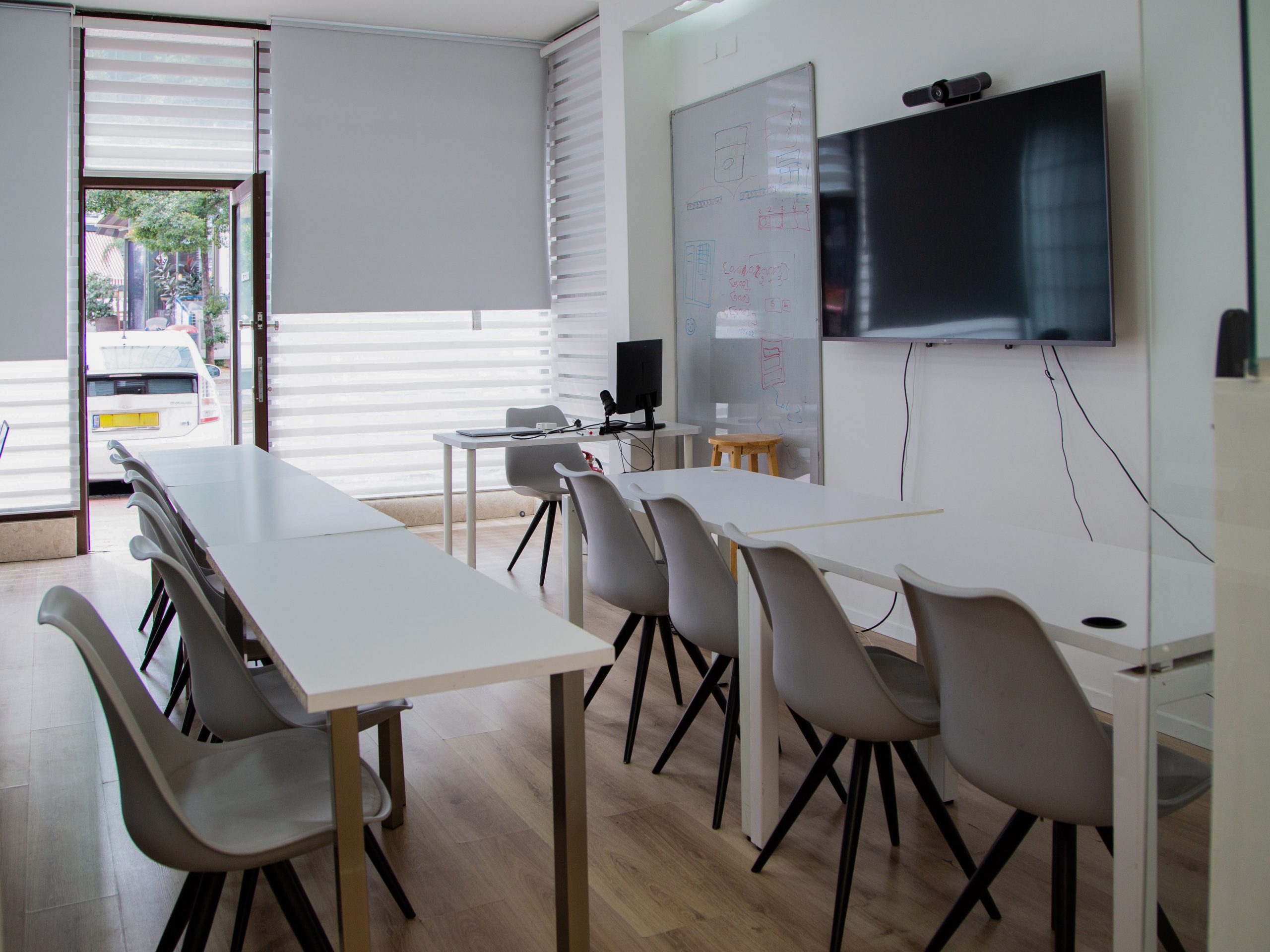
Over the course we will run three residentials, where we gather in person. These are the beating heart of the course — where the model comes alive experientially, where cohort bonds deepen, and where the parts of the work that need people in a room together happen. A central venue keeps travel manageable from most of the country. The costs of accommodation and meals are included in the course fees.
There are no hidden costs!
What you'll leave with
A recognised qualification
CPCAB-accredited Level 7 Diploma, aligned to SCoPEd Column C, ready to submit to your professional body.
A working model
The Anastasis framework, embodied and internalised — not memorised. A map you can actually use.
A peer cohort
Up to eleven other practitioners who have walked the fifteen months alongside you. That does not disappear at graduation.
Deeper self-knowledge
Your own Anastasis, further along than when you started. You cannot accompany where you have not walked.
Meet Annie
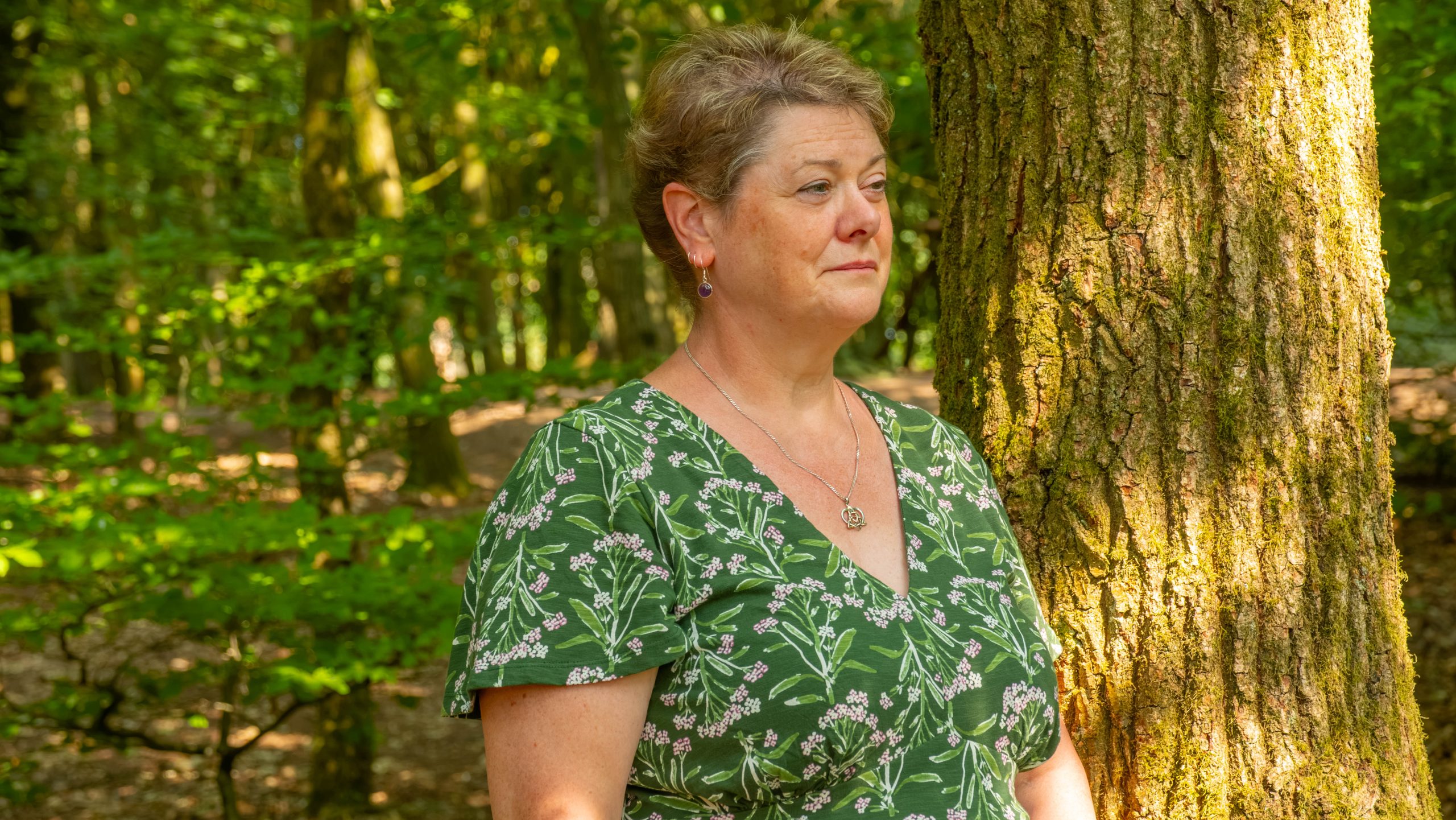
Annie Kissane holds a Senior Accreditation with the BACP, ACC, and NCPS. She is also a psychotherapist, supervisor and trainer, and the founder of Authentic Therapy & Training. She holds an MSc in Applied Positive Psychology and has spent many years accompanying survivors of developmental and relational trauma, developing the Anastasis model out of both her clinical work and her own lived experience.
Annie writes and speaks openly about the work. Her ongoing thirteen-part Anastasis blog series unpacks the model piece by piece — you can read the posts on this site as they are published, on the Blogs & News page. Watching those, or reading the blogs, is the best way to get a feel for how she teaches.
Investment and payment
The full course fee is £5,250. This covers all teaching, and associated costs with the three residential weekends, all learning materials, individual academic supervision on your portfolio, and the CPCAB registration and certification fees.
Payment plans are available — Please contact Annie for further information.
Frequently asked questions
What qualifications do I need to apply?
You should be a counsellor or psychotherapist with BACP, UKCP, NCPS, ACC, or an equivalent PSA-accredited register. If your route is less standard — a psychology background, an overseas qualification, or substantial equivalent experience — please get in touch and we'll talk it through. Every applicant has a conversation with Annie before joining.
Does this course lead to senior accreditation (SCoPEd Column C)?
The Level 7 Diploma is aligned to the competences required for Column C and provides the qualification most professional bodies now formally require for senior accreditation. Application to your professional body remains yours to make, but the letter of competence you receive on completion is specifically written for that purpose.
How much time will it take each week?
Plan for around ten hours per week on average across the fifteen months, including the live teaching sessions, reading, reflective writing, working with accountability groups, and applying learning in your own clinical work.
Where do the residentials happen?
A central UK venue, chosen for accessibility. You need to cover your own travel expenses only. We will book and reserve your accommodation and meals.
What if I need to defer or leave?
Life happens. Our approach is genuinely relational: if something significant arises, we talk it through, and an extension maybe possible. Detailed terms are shared with your offer and we're happy to answer specific questions in advance.
Is the model faith-based?
Annie is a person of faith, and the model makes room for connection with the transpersonal — the Source, God, the Numinous — because that is part of many people's healing. But the course welcomes practitioners of all beliefs and none, and Annie is not in the business of telling anyone what to believe. Respectful open-mindedness is part of the work.
Ready to talk?
The cohort is shaped together, through conversation. Do get in touch early.