▶ Watch the film — Archeaology Opens on YouTube in a new window.
Somewhere beneath the surface lie the parts of ourselves we buried to stay safe. The Domain of Archaeology is the patient work of regulating our nervous system and reclaiming what was hidden — and finding, sometimes, unexpected treasure.
This Domain is about three intertwined processes: regulation, reclamation and discovery. It is where we learn to steady our own nervous system, and where we begin, carefully, to dig up the parts of ourselves that the trauma made us bury. As with any dig, we go in with some idea of what we are looking for — and we sometimes unearth treasures we never expected.
Regulation: finding our rhythm
Regulation is, at its simplest, about finding our rhythm — noticing what overwhelms and overloads us, where we neglect ourselves, and how we might turn the volume up or down on the things that trigger us. It returns us to the window of tolerance: regulation is the self-care that keeps our experience inside that window, so that we are less often pitched into a Vortex or a full trauma response.
Here is the difficulty for survivors. When a person has lived through repeated or ongoing neglect and abuse, they are chronically operating at the very edge of — and often outside — their window of tolerance, until their whole system becomes conditioned by it. What we call homeostasis, the relaxed state in which we can be open, creative and calm, is frequently outside the experience of those with developmental and relational trauma. As Stephen Porges’ polyvagal theory describes, the vagus nerve and autonomic nervous system become dysregulated, and the person cannot easily find a sense of safety — if, indeed, they ever had one to lose.
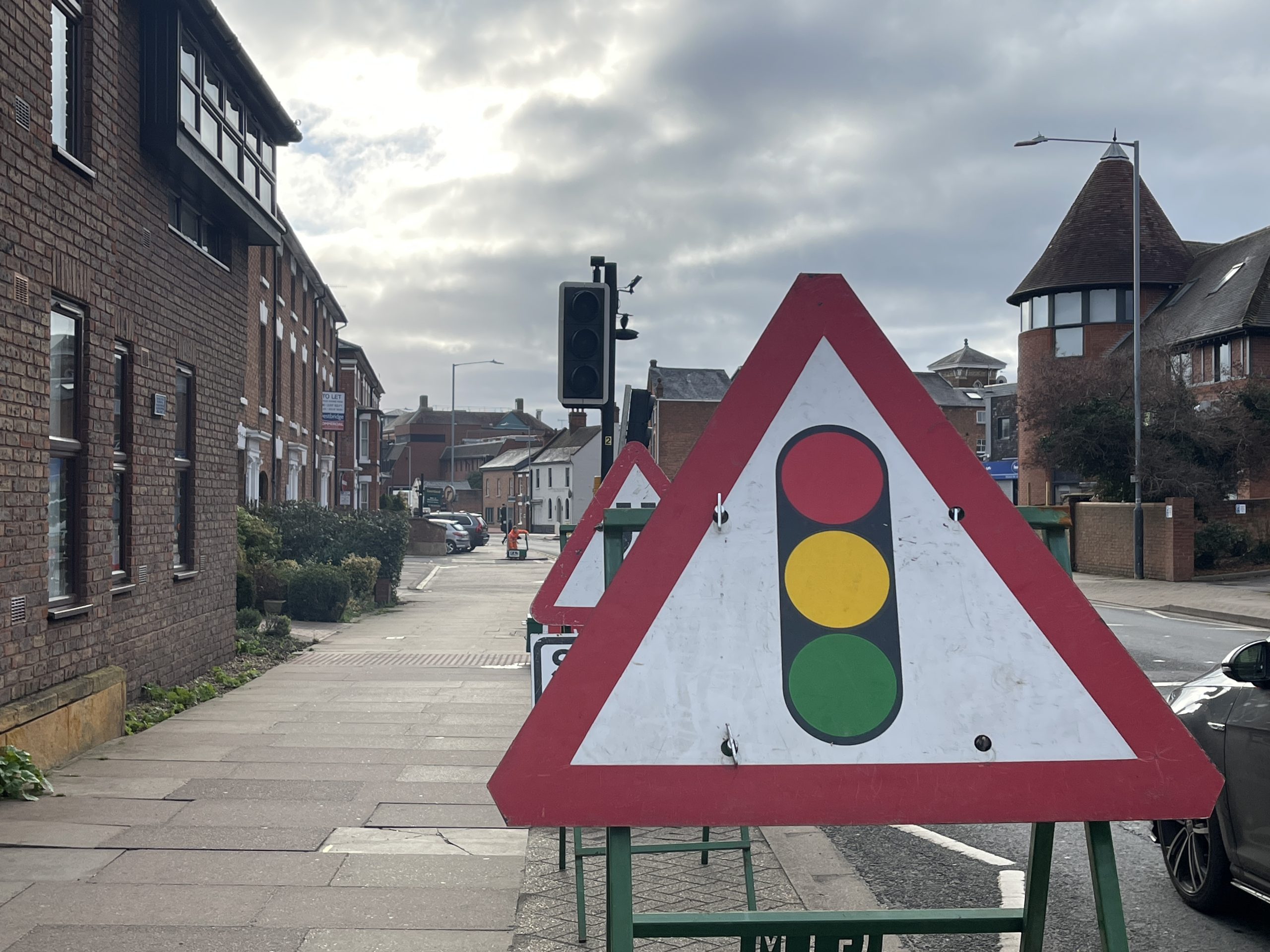
I often use a simple traffic-light picture. Red is clear threat: the fight-or-flight mechanism fires, we freeze or take evasive action, and unnecessary systems go offline. Amber is danger: the body tenses and prepares, digestion and immunity may be disrupted, focus narrows. Green is safety: relaxed, relational, reciprocal, with full access to all our faculties — and it is precisely this green state that so many survivors almost never reach, because they are living permanently on amber alert. Much of the regulation work is about helping a nervous system that has forgotten green slowly learn the way back to it.
Remember: ‘safe’ and ‘familiar’ are not the same. As we reclaim wholesome boundaries and feelings, we may feel shame — not because we are doing wrong, but because health is unfamiliar.
Reclamation: digging up the buried self
Through years of danger, we learn to put away the aspects of ourselves that seemed unacceptable, got us into trouble, or felt too ‘weak’. We bury qualities that were criticised or ridiculed, trading them for attitudes and behaviours that felt safer or more pleasing to others. Reclaiming those buried characteristics is essential to an authentic way of being — it is the retrieving of the suppressed and alienated parts of ourselves that the trauma forced us to disown.
Much of our pain, too, has been somatised — unconsciously pushed down into the body, so that instead of feeling it emotionally we experience physical pain with no medical cause, tension that limits our movement and energy, even hypersensitivities and intolerances. So reclamation is frequently embodied work. We might take up dancing, swimming, the gym, Pilates, yoga — any practice that helps us reclaim a healthier relationship with our bodies and a sense of mastery over our own physical environment, recovering the agency and autonomy that was once violated. As we Devote ourselves to regular self-care, we Discover things we never knew about ourselves, and we begin to Reform — to develop a self no longer bound by the expectations and demands of others, or of earlier versions of us.
A health warning belongs here, the one my dear friend captured perfectly when he said, “Stop it, I like it — it hurts me nice!” As we reclaim good feelings and healthy boundaries, other feelings will surface too. We may feel shame as wholesome experiences awaken the old criticism; we may feel guilt that genuinely is ours and that we have long avoided. None of this is comfortable, and that does not mean it is not good for us. Saint Paul puts it well, in his letter to the Romans: do not conform any longer to the pattern of this world, but be transformed by the renewing of your mind. The renewing is real work — and it is worth it.
There is a particular pattern worth naming here, because it connects this Domain back to Accountability. For most of us, a split sense of self developed in response to the trauma: we unconsciously assigned certain members of our Committee the blame for all the problems and pain, while allowing other members to receive the good feelings. We exiled the parts of ourselves we held responsible and protected the parts we approved of. Reclamation, then, is partly a work of reconciliation — going back for the disowned, scapegoated parts of ourselves and learning that they, too, belong; that the shame they carried was never wholly theirs to carry; that a self made whole is not a self with the unacceptable bits cut away, but a self in which even the exiled members are welcomed back to the table.
Discovery: the unexpected treasure
Archaeologists dig where they believe there is something to find, but they are regularly surprised by treasures they did not anticipate. The same is true of psychological and spiritual archaeology. As we open up to our memories and reclaim what was lost or taken, we sometimes uncover long-forgotten remembrances that bring healing and even joy, and that let us finish the unfinished business of the past.
This opening-up comes precisely as we learn to relax — to be present to ourselves, to others, and to Existence. As we consciously unclench our jaw, drop our shoulders, let ourselves become heavy, we are intentionally retraining our brains and bodies towards the green state we so badly need. This Devotion to a regular practice of self-reflection, awareness and self-acceptance is formative for both Discovery and Regulation. We might work with guided imagery, breath-work, yoga, prayer and meditation — all of them ways of learning to listen to the inner world and to reach the parts of ourselves that were drowned out, suffocated and buried.
For my own MSc I wrote a guided imagery called Safe Place, which supports the building of an inner sanctuary where we can keep what is precious, securely and for good. The first part invites you to use your imagination and inner knowing to create a Safe Place within; the second invites you to return to it again and again, to watch it evolve, and to leave there — like a growing store of resource and resilience — precious memories, encouragements and uplifting experiences. Clients who have used it report increased confidence and a deeper inner peace, and they notice that their Safe Place changes and grows as they do. That, in miniature, is the promise of Archaeology: that beneath the rubble of what was done to us, there is a self worth reclaiming, and a sanctuary worth building.
Beneath the rubble of what was done to us, there is a self worth reclaiming, and a sanctuary worth building.
It is worth saying plainly that this reclaiming can feel, at first, like getting worse rather than better. A nervous system that has been numb for years does not come back online comfortably; as sensation returns, so does the awareness of pain that the numbness was muffling. People sometimes panic at this stage, fearing they have gone backwards — when in fact the returning feeling, uncomfortable as it is, is the very evidence that the system is healing. Part of the practitioner’s task is to normalise this, to help a person stay with the discomfort of thawing without bolting back into the old protective shutdown. “It hurts me nice,” as my friend said — and learning to tell the good pain of growth from the bad pain of harm is one of the genuine skills of this Domain.
For practitioners, this Domain demands real literacy in the nervous system — an understanding of polyvagal theory, of the window of tolerance, of somatic and embodied approaches — held together with the relational sensitivity to help a person reclaim disowned parts of themselves without overwhelming them. It is detailed, careful, often slow work, and it is exactly the kind of advanced, integrative practice the Level 7 course exists to develop.
A few questions to sit with
- Which colour — red, amber, green — best describes the state your clients most often live in? And you?
- What parts of yourself did you once bury to stay safe — and might now be ready to reclaim?
- What is your own ‘Safe Place’, and how do you tend it?
About the course
The Anastasis Model sits at the heart of a Level 7 Diploma in trauma-informed, advanced therapeutic practice — written for counsellors and psychotherapists who want to work more deeply with developmental and relational trauma, and who are moving towards senior accreditation (SCoPEd Column C).
It runs online, with three in-person residentials, over fifteen months: October 2026 to December 2027. The group is deliberately small — capped at twelve — so no one is ever just a face in a crowded screen. The fee is £5,250, with payment plans available.
To enquire, email training@authentictandt.uk or call Annie on 07949 677405. We shape the cohort together through conversation, so do get in touch early.